

“Hong Kong Pharmacy” Has No Hong Kong Presence; 35 Online Stores Delisted
Regulators crack down on misleading branding and unsubstantiated product claims
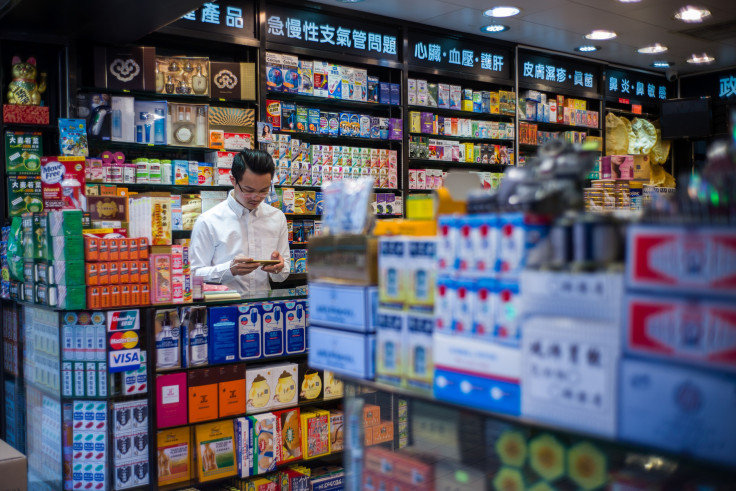
There are no stores, listed products or registration records for "Hong Kong Pharmacy" in Hong Kong, according to the city's Department of Health. The National Administration of Traditional Chinese Medicine confirmed this on the evening of Aug. 31, ordering 35 online stores using the name to be delisted after they sold mainland-made balms and pills as Hong Kong heritage products supposedly "founded in 1841."
The administration said platforms including JD.com, Pinduoduo, Xiaohongshu (Rednote), Douyin and Kuaishou had removed 35 storefronts, 3,318 product links and 342 advertisements, while blocking another 460 pieces of advertising material. Investigators found that the sellers had no valid trademark registration or authorization from any genuine Hong Kong brand. The products involved—a muscle and joint rub called Tougu Gao (透骨膏) and a pill marketed as a "dampness-removing" medicine (无湿丸)—are registered as daily-use goods rather than pharmaceuticals. Regulators said the violation involved advertising unsubstantiated pain-relief and medical benefits, not the sale of counterfeit drugs.
By Sept. 1, stores still operating under the "Hong Kong Pharmacy" name on at least one major platform were offering largely the same products, Tencent News reported. They had added a new warning that "this product cannot substitute for medicine," while quietly removing references to being "founded in 1841" and a "century-old brand."
The pattern—same products, a new disclaimer and the same old brand story—is not new. A year-long investigation by China Consumer News, republished by Guangming Online, traced three separate storefronts using the "Hong Kong Pharmacy" brand to mainland factories with no connection to Hong Kong.
One store, Global Health Product Agency, sold a glucosamine balm promoted as coming from a "182-year-old brand" and developed by a "Hong Kong National Medicine Research Institute" that had supposedly invested hundreds of millions of yuan over seven years. It also claimed that five genuine Hong Kong pharmacies, including Watsons and Mannings, stocked the product. A Hong Kong consumer who visited those pharmacies in June found none of the products on sale, and staff said they had never carried them. Reporters traced the balm to a factory in Henan registered under a Hong Kong-incorporated holding company. Its compliance document was found to be a regional health-product filing number rather than a drug approval. When asked to substantiate the brand's 182-year history, customer service could not do so and instead issued an immediate refund.
A second store, Jiangcuitang Pharmacy, sold an anti-itch balm promoted with fabricated customer testimonials, including claims that a grandmother's 20-year skin condition had cleared up and that a student had been "cured" of a rash lasting three years. The product was traced to a Henan manufacturer with no connection to the name used in its marketing. The retail entity had also changed its registered business name at one point, switching from one Changsha pharmacy name to another while continuing to sell the same products under the "Hong Kong Pharmacy" branding.
A third store, Shendantang Pharmacy, sold a pain-relief balm claimed to treat 16 conditions, including rheumatism and disc injuries. The product was actually an antibacterial cream made in Hubei, while its brand-holding company had been incorporated in Hong Kong only in mid-2024.
Company registry data cited by the investigation showed that nearly 200 businesses registered in Hong Kong had "Hong Kong Pharmacy" in their names. An intellectual property consultant told reporters that this may be linked to mainland trademark rules, which prevent the direct registration of Chinese-character marks reading "香港大藥房." Sellers therefore prominently display the phrase on packaging, where trademark law does not apply in the same way.
Tuesday's notice was the regulator's first formal enforcement action since complaints about the scheme emerged in mainland media last year. The administration said it had referred the case to market regulators, which have not said whether the operators behind the 35 delisted stores will face further penalties.
Originally published on IBTimes Hong Kong